
Neshoba County Arrest Warrants Explained
A warrant lets officers take the named person into custody once a judge makes the required finding. In Neshoba County, the papers follow Mississippi Rule of Criminal Procedure 3.2, which governs what the warrant must say, how it is executed and returned, and its bond language. The originating complaint and the filed case may sit in different corners of the court system.
| Named person | Identifies who is subject to the process. |
|---|---|
| Alleged offense | States the accusation, not a conviction. |
| Issuing authority | Identifies the judge or court controlling the warrant. |
| Execution direction | Commands an authorized officer to act. |
| Bond language | Must be confirmed because terms can change. |
From Complaint to Neshoba County Process
The process starts with a complaint or affidavit. That paper brings an allegation to a judge in Neshoba County. If the law's requirements are met, a warrant may issue, the clerk records it, and an authorized agency receives it. After execution, the return joins the court file.
- An allegation is presented through the proper criminal procedure.
- A judge reviews the legal basis for process.
- The warrant identifies the person and alleged offense.
- The sheriff, police, constable, or other officer executes it.
- The case proceeds to an initial appearance and later court stages.
How Neshoba County Arrest Warrants Are Issued
Which court controls depends on the charge. Justice Court handles felony affidavits, initial appearances, and its own lower-court docket. Once a felony is filed, the Eighth Circuit Court District owns the case, and the Neshoba County Circuit Clerk keeps the papers. A municipal judge can issue process tied to a city matter. The controlling court turns on the case, not on where the person lives.
Ask first: Which court issued the warrant, and what cause or docket number identifies the underlying file?
Neshoba County’s Three-Part Record Trail
Three offices cover most of the trail in Neshoba County. The Justice Court at 200 Byrd Avenue handles lower-court and initial-appearance records; call 601-656-4053. The Circuit Clerk at 401 Beacon Street, Suite 110, holds filed Circuit Court criminal papers, at 601-656-4781. The Law Enforcement Center at 920 Chestnut Street answers sheriff service and custody questions, at 601-656-1414.
Issuance and first appearance
Neshoba County Justice Court
Filed felony record
Neshoba County Circuit Clerk
Service and custody
Neshoba County Law Enforcement Center
What a Neshoba County Arrest Warrant Shows
The rule lists what a warrant contains. It does not promise those items appear online. Neshoba County posts no public search form and no complete active-warrant roster. A clerk may confirm a case reference and where the case stands while holding back sealed or investigative material.
| Question | Best source |
|---|---|
| What court issued it? | Related clerk or court record |
| Was it sent for service? | Issuing clerk and named agency |
| Has it been executed? | Serving agency and court return |
| What bond applies? | Court or booking authority |
Initial Appearance at the Neshoba Jail
The Neshoba County Justice Court runs jail sessions so an initial appearance happens within three days of arrest. That step is separate from the later felony docket. A custody question can start with the Law Enforcement Center. The next court date and the formal file, though, require the proper clerk. One caution: the jail docket is a custody record only. It is not a complete active-warrant list, a charging instrument, or a final disposition.
Serving Neshoba County Arrest Warrants
The sheriff is the central service agency, but hardly the only one. Philadelphia Police, Union Police, Neshoba County's two constables, the Mississippi Bureau of Investigation, and federal officers can all act within their authority. Regional and tribal coordination means a county-only inquiry may miss process held elsewhere. The DOJ has documented partnerships in the Neshoba area involving the Sheriff's Department, the Mississippi Band of Choctaw Indians, and federal agencies. That is a good reason to check the actual issuing authority rather than assume everything sits in one county office.
Arrest Warrant and Indictment Are Not Synonyms
A warrant and an indictment are not the same thing. The first authorizes an arrest. The second is a formal charging document filed in a criminal case. The Neshoba County Circuit Clerk receives indictments, motions, judgments, and other Circuit Court papers, but that office runs no complete all-court active-warrant index.
- Warrant
- Judicial process authorizing arrest.
- Return
- The officer’s report concerning execution.
- Indictment
- A filed accusation that belongs to the later criminal record.
Responding to a Neshoba County Arrest Warrant
Talk to a lawyer before appearing or arranging a surrender. Counsel can verify the Neshoba County warrant, current bond conditions, any other holds, and the right place to go. Ask whether the court wants a motion or hearing, and what written record will show the later status.
Do not rely on payment alone: only the proper court can enter a recall or other judicial disposition.
Federal and Partnership Records Stay Separate
The official PACER Case Locator covers federal dockets, not a Neshoba County warrant roster.
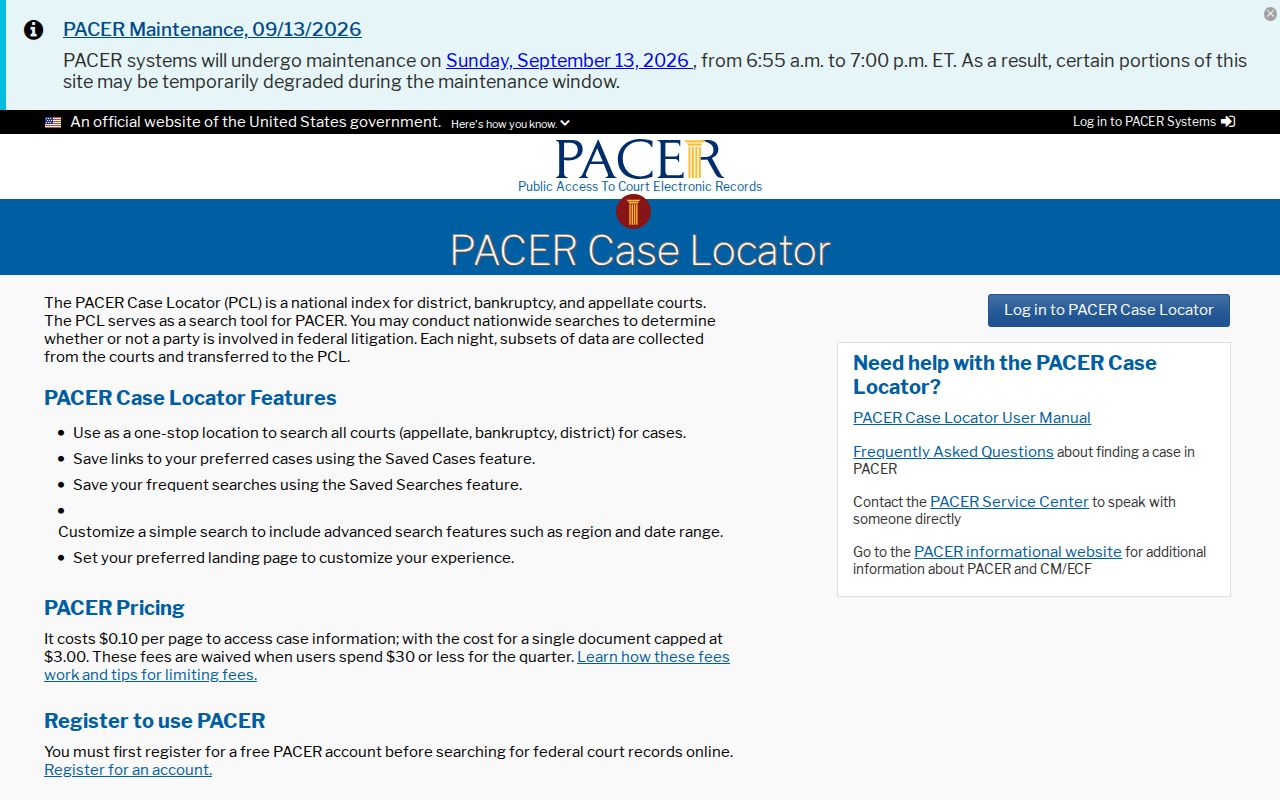
Federal process must go through the proper federal authority. A Justice Department program page documents cooperation involving Neshoba County-area agencies.
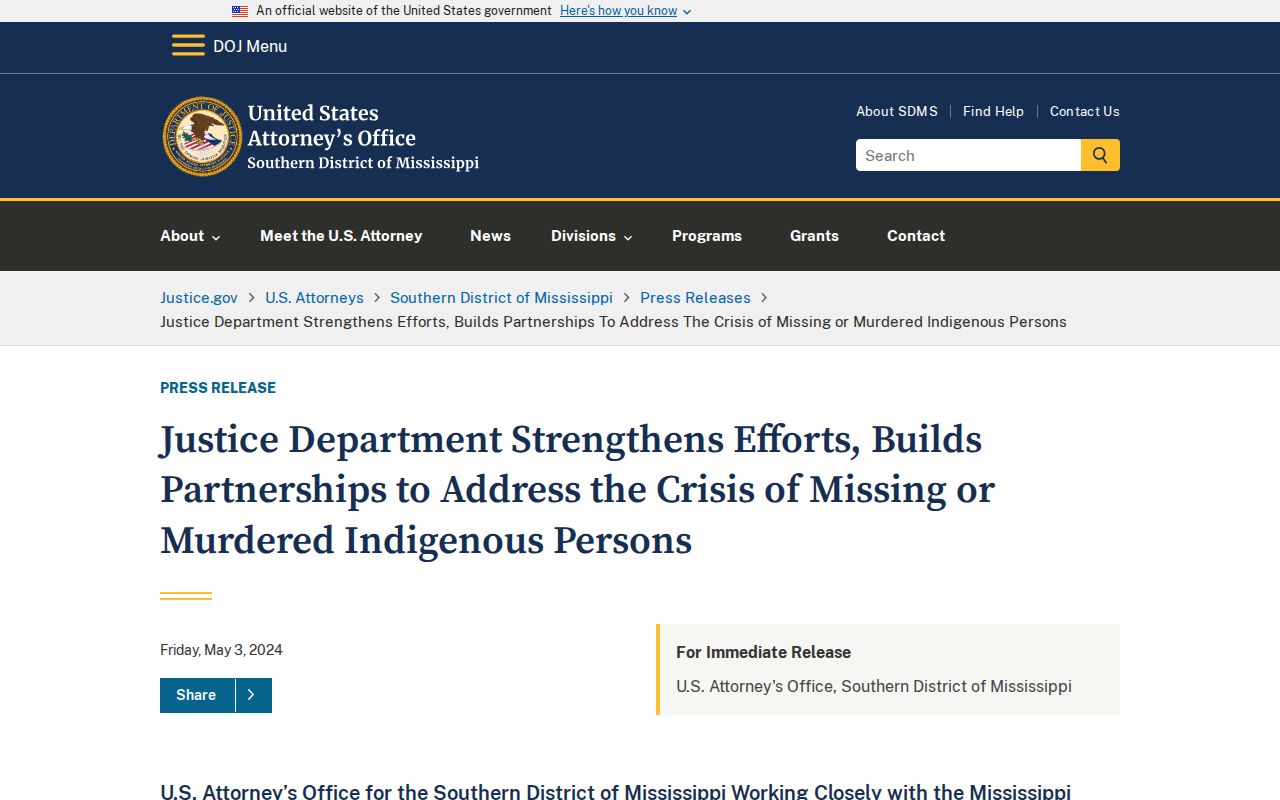
That partnership does not create a public warrant lookup or merge court records.
Access Limits for Neshoba Arrest Records
The Mississippi Public Records Act opens many documents, but it yields to court seals, investigation exemptions, redaction rules, and Youth Court confidentiality. Neshoba County has a written process for public county records, and copy, search, review, or mailing charges may apply. For your own warrant status, call the issuing court and the serving agency. For a filed public document, describe the specific record to the office that holds it. Silence is not clearance: missing released material never proves no warrant exists.